
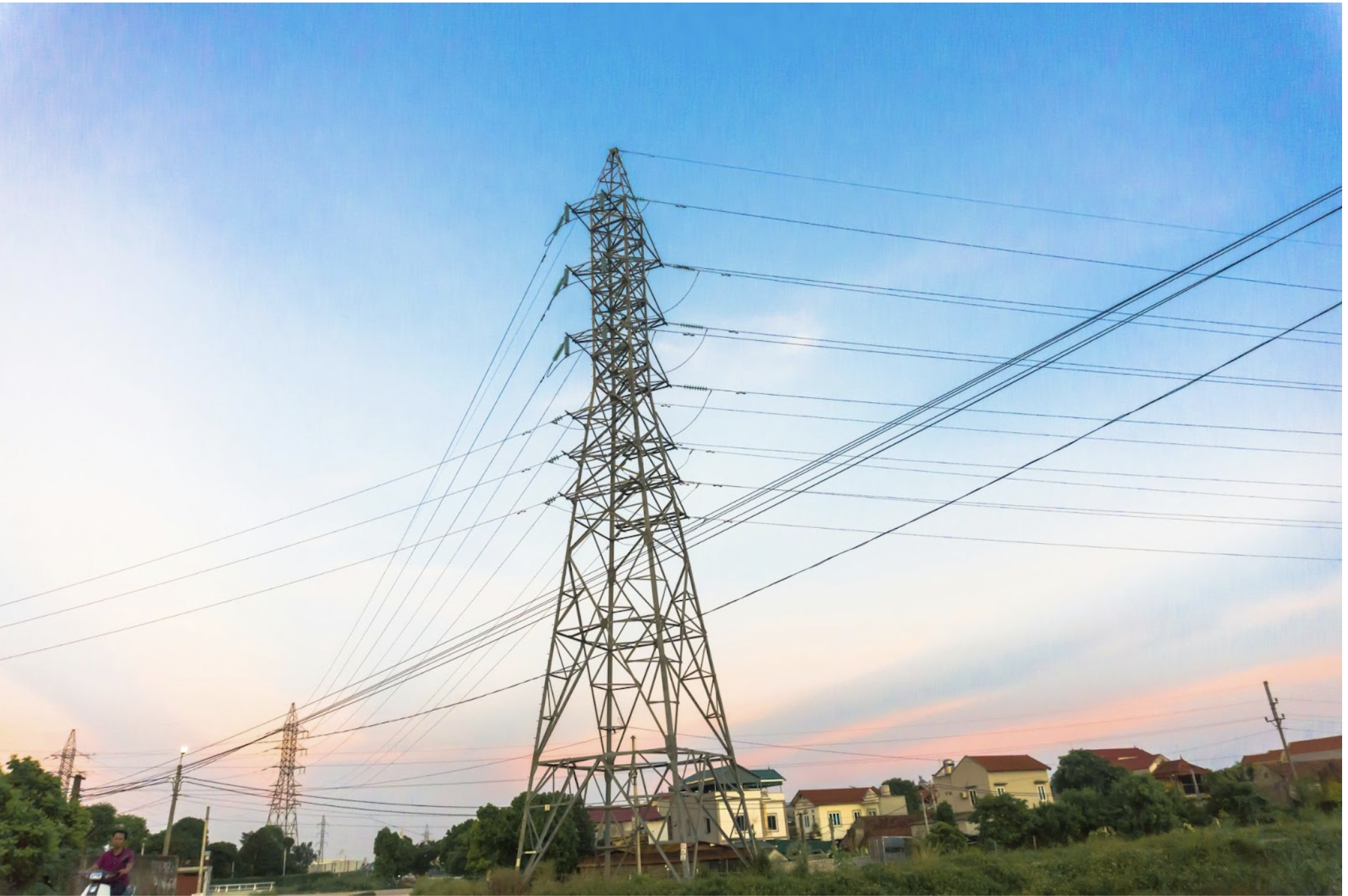
Best Practices for Transmission Tower Inspection and Maintaining Critical Power Infrastructure
Modern life doesn’t move without electricity. Keeping the lights on in hospitals and homes, powering a growing number of electric vehicles (EVs), supporting today’s data centers — all of it requires a steady energy supply. Behind the scenes, more than half a million miles of high-voltage transmission lines keep that electricity flowing, feeding substations that distribute power to communities across the country. And those vast networks require ongoing inspection and maintenance to ensure safe, uninterrupted delivery.
When transmission towers fail or power lines are compromised, the consequences can be severe. Structural deterioration or vegetation encroachment can lead to wildfires and widespread outages. In Texas alone, power lines caused more than 4,000 fires in just a three-year period.
Compounding these risks, the latest Infrastructure Report Card from the American Society of Civil Engineers (ASCE) gave the nation’s energy infrastructure a concerning D+ grade. The report highlights aging systems strained by new demands like electrification and data center growth, which are far outpacing inspection teams’ abilities to assess asset condition and plan upgrades.
To address these challenges, utilities face increasing regulatory scrutiny and insurance pressures. In response, inspection practices are moving beyond manual ground checks and climbing crews toward advanced tools that offer safer, faster, and more data-rich assessments. Here’s how modern transmission tower inspection approaches are transforming asset management, and what teams need to know to keep the grid resilient and reliable.
Understanding Transmission Towers and Lines
As we explore the changing role of inspections in maintaining the nation’s electrical infrastructure, a clarification is in order. When many people hear about “power lines,” they think of the poles in their neighborhood. Yet, those poles are part of the electrical distribution system, which delivers lower-voltage electricity directly to homes and businesses.
Transmission systems operate at a different scale, carrying electricity over much longer distances to move power from generation sites to substations for distribution. These lines operate at much higher voltages, require larger clearances, and rely on taller, more complex tower structures. As the backbone of the electrical grid, transmission towers call for more rigorous inspection and maintenance to avoid cascading outages and protect public safety.
Common transmission tower types include:
- Lattice towers: Steel frameworks common for high-capacity, long-distance lines.
- Monopole towers: Single poles, often chosen in urban or constrained spaces.
- Guyed towers: Where the preference is lighter structures, guy wires support these towers.
Inspection requirements vary based on the type of transmission tower. Lattice towers, for instance, have many connection points that are prone to corrosion, while monopoles may hide foundation or baseplate deterioration. Key components that require careful inspection include:
- Cross arms and insulators: Damage to these parts can lead to dangerous flashovers.
- Conductors and fittings: Wear or corrosion in these components may cause line failures.
- Foundations and footings: Cracking or settlement threatens overall structural stability.
- Surge protection systems: Degradation increases the risk of faults during severe weather.
- Surrounding vegetation and right-of-way clearance: Overgrown trees or brush can lead to line contact or arc flashes and are a major source of wildfire ignition.
Consistent, detailed inspections are essential for heading off these issues and supporting reliable power delivery.
Transmission Inspection Timelines and Compliance
Transmission tower inspection timelines are driven by a combination of utility standards, regional regulations, and federal requirements designed to protect grid reliability and public safety. Most utilities conduct routine inspections annually or biennially to catch early signs of deterioration and address risks before they turn into more serious problems.
Vegetation-related issues are especially critical, accounting for nearly 38% of all transmission line outages. That makes right-of-way monitoring one of the most important areas of inspection. Under Federal Energy Regulatory Commission (FERC) rules, transmission and generator owners must perform a vegetation inspection of 100% of their applicable transmission lines at least once per calendar year, with no more than 18 months between inspections on the same right-of-way.
In addition to routine schedules, event-driven inspections are a must after severe storms, wildfires, earthquakes, or other extreme events that can weaken structures or increase fire risk. FERC guidance also suggests more frequent inspections in higher-risk areas to minimize outages and stay compliant.
These inspection requirements are part of a comprehensive strategy to reduce outages, protect communities, and help utilities avoid compliance-related penalties. Maintaining a stable electrical grid is the ultimate goal.
Modern Transmission Line Inspection Tools

Figure 1: Drone-captured image (right) and corresponding 3D model (left) automatically generated and rendered using the cloud-based platform gNext (www.gnextlabs.com).
Traditional inspection methods for transmission towers and lines are well known. Everyone has seen the ground crews with binoculars or climbing teams using rope access and bucket trucks to reach imposing towers. Helicopters are even common in large-scale inspection projects. These approaches provide direct contact with structures, but they’re time-consuming, hazardous, and mostly limited to visual data and inspector observations. They’re especially difficult to execute on tall towers or hard-to-reach lines spanning rugged terrain.

Figure 2: Sample Drone Image Demonstrating the Presence of a Pin Connector on an Overhead Insulator String (highlighted in red).
Given these limitations, a growing number of utilities are turning to advanced technologies for transmission tower inspections:
- Drone-based tower and line inspection: Equipped with high-resolution cameras and photogrammetry capabilities, drones can take detailed photographs of insulators, cross arms, and conductor attachments from multiple angles. They not only limit the need for manual climbing but even allow inspectors to quickly assess multiple transmission line towers or right-of-way corridors in a single flight.
- Thermal imaging for hot spots: Infrared sensors detect abnormal heat signatures in conductors, connectors, and insulators that may indicate electrical resistance or imminent failure. Thermal inspections can uncover issues invisible to the naked eye, making it easier to intervene early and prevent outages or fires.
- LiDAR and 3D modeling: LiDAR systems generate comprehensive 3D models of towers and surrounding vegetation, helping identify structural deformation, sagging lines, or vegetation encroachment risks. Utilities can simulate loads and stresses to improve maintenance planning and clearance management.
- AI analytics and predictive maintenance platforms: AI-powered platforms combine historical inspection data (e.g., past defect logs and maintenance records) with real-time sensor inputs from drones and ground-based sensors. Machine learning enables them to detect subtle deterioration patterns, forecast which components are most at risk of failure, and recommend precisely when and where to inspect next.
These tools enable utilities to detect early signs of corrosion, pinpoint hot spots before they trigger failures, and capture detailed structural models without risking crews’ safety. As a result, teams are better equipped to keep power flowing and avoid costly emergency repairs.
Related: These tools are refining infrastructure inspection processes across a wide range of industries. Read our sector-by-sector overview to learn more.
Transmission Tower Maintenance Strategies
Modern inspection technologies are incredible data-gathering tools. More importantly, they empower utilities to move from reactive repairs to true preventive maintenance. With access to high-resolution imagery, thermal data, and AI-driven defect detection, teams can spot early signs of corrosion, foundation settling, or damaged insulators long before they cause failures.
This approach enables utilities to shift from emergency-driven corrective maintenance toward proactive strategies. Instead of struggling to keep up with scheduled inspections and routine repairs, they can take control of asset health by prioritizing for risk level and condition.
These insights set up a more predictive maintenance strategy, where utilities can plan repairs and improvements for what’s coming rather than only based on what’s already occurred. According to the Department of Energy, predictive maintenance reduces downtime by 35% to 45% compared to purely reactive approaches. For example, predictive vegetation management helps identify and address encroaching growth early, preventing wildfires and keeping service reliable even in high-risk seasons.
Using digital documentation methods and automated reporting further supports this shift. They provide clear, defensible records for compliance and insurance requirements while making it easier to set budgets and justify maintenance investments.
Case in Point: AVECC Wins With gNext
The partnership between gNext and the Arkansas Valley Electric Cooperative Corporation (AVECC) highlights how modern tools transform distribution pole and line inspection workflows and outcomes. AVECC, which serves over 59,000 members across 14 counties and maintains more than 6,600 miles of distribution lines and critical distribution infrastructure, was bogged down in time-consuming, costly inspections that required trucks, climbing crews, and sometimes even helicopters. The utility set out to streamline its inspections and make them more cost-effective and safe.
Through its partnership with gNext, AVECC was able to overhaul its inspection processes. Instead of dispatching large teams and shutting down lines, a single operator now captures high-resolution data from drones in less than a day. The gNext platform allows engineers to quickly annotate damage, such as woodpecker holes in poles, and track changes over time to guide proactive maintenance decisions.

Figure 3: 3D model showing a woodpecker hole being measured. The model was generated from drone imagery.
Beyond streamlining inspections, this digital-first strategy empowered AVECC to maintain continuous operations and create a robust, real-time digital record of its assets. Ultimately, the partnership has led to a future-ready distribution inspection program that strengthens reliability and community trust:
What’s Next: The Future of Transmission Line Inspections
Successful partnerships like the one between gNext and AVECC are only the beginning of this new era of transmission tower and distribution line inspections. Advanced AI-driven defect detection and predictive analytics are already poised to help utilities anticipate equipment failures well before they happen, setting up a shift from periodic checks to fully condition-based monitoring. By combining real-time drone and sensor data with historical trends, these tools will help crews reduce manual workloads and stay focused on the most urgent issues.
Looking ahead, integration with Supervisory Control and Data Acquisition (SCADA) and grid management systems will allow inspection insights to directly influence operational decisions. Imagine a future when operators can quickly and easily reroute power in response to detected weaknesses — it’s not far off. Such advancements also enable utilities to double down on climate resilience and right-of-way monitoring. Advanced remote sensing and continuous data collection help mitigate wildfire risks, prepare for extreme weather events, and protect critical corridors from vegetation encroachment.
Together, these innovations mark a shift toward a safer, smarter, and more sustainable grid. But utilities don’t have to wait for the future — these advanced inspection and analytics capabilities are already available today.
If you’re ready to step into this new era of transmission line inspections, book a discovery call today.


